


Risk Based Inspection

How Can We Help
- We are committed to building long term relationships with our clients and partners based upon Integrity,Performance and value
- +966 56 158 7230
- info@pyramidest.com
Risk Based Inspection
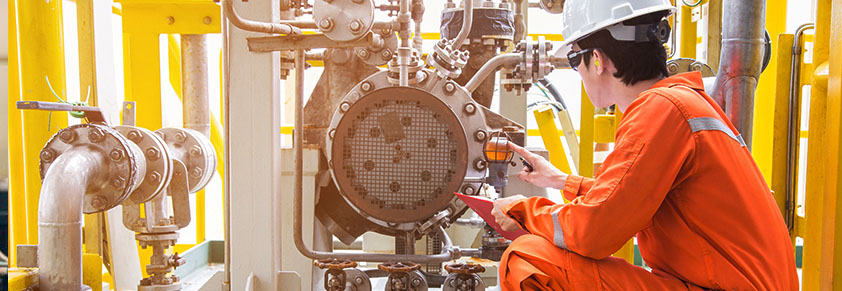
Risk based Inspection is a type of maintenance business process used to analyze equipment, including pressure vessels, heat exchangers, and piping in industrial plants. It is a decision-making technique to optimize inspection plans.
The theory of Risk based Inspection is built upon the concept that the risk of failure can be assessed in connection with a level that is acceptable, and inspection and repair are used to assure that the level of risk is below that acceptance limit.
Led by industry experts, including senior consultants and engineers, Risk-based Inspection programs feature a total quality assurance approach. We employ a comprehensive and structured approach – in line with industry guidelines like API 580, 581 and API 571 – to analyze the potential risks of each asset by evaluating their current operating conditions in terms of the probability and the consequence of failure, providing our clients with a unique view of the condition of each asset.
Benefits of RBI
- Defines and rates the risk levels of all components.
- Identifies the potential to reduce production losses during turnaround inspection
- Increases confidence in equipment integrity and reliability.
- Minimizes risk to health, safety and the environment.
- Maximizes resource utilization
- Improves operating efficiency
RBI Deliverables
- Corrosion Loop Drawings
- Inspection Isometric Drawings for Equipment and Piping
- Inventory Group Drawings
- Integrity Operating Window
- Corrosion and Inspection Strategy Document
- Risk-based Inspection (RBI) Findings